

Your gutters are probably one of those things you forget exist until they’re causing problems. I’ve seen too many homeowners learn this lesson the hard way when autumn arrives & their neglected gutters turn into miniature waterfalls cascading down their walls.
The straightforward answer? Most UK homes need gutter cleaning twice a year. But here’s where it gets interesting.
That “twice yearly” rule isn’t set in stone, and frankly, it might not apply to your specific situation at all.
Why UK Weather Makes Gutter Cleaning Crucial
Living in Britain means dealing with unpredictable weather patterns that can wreak havoc on your guttering system. Our climate throws everything at us: heavy autumn downpours, winter freeze-thaw cycles, spring storms, and those occasional summer deluges that catch everyone off guard.
The combination of frequent rainfall & our abundance of deciduous trees creates the perfect storm for clogged gutters. I think most people underestimate just how much debris can accumulate in a few months. Leaves, twigs, moss, bird nests, tennis balls (yes, really), and all sorts of unexpected items find their way into guttering systems.
What’s particularly problematic in the UK is our wet winters. When gutters are partially blocked, water sits stagnant for months. This creates ice dams during cold snaps, which can crack guttering or cause it to pull away from the fascia board.
The damage isn’t just cosmetic either.
The Twice Yearly Rule
Most gutter cleaning professionals recommend cleaning gutters twice annually: once in late autumn (November/December) & once in late spring (May/June). This timing makes sense because you’re tackling the two biggest debris seasons.
Autumn cleaning removes the bulk of fallen leaves before winter rains arrive. Spring cleaning addresses any winter damage & clears out debris that’s accumulated during the dormant months.
But here’s what the professionals don’t always tell you upfront: twice yearly might be overkill for some properties & completely inadequate for others. Your specific circumstances matter more than generic advice.
I’ve visited homes where gutters were spotless after six months & others where they needed attention every three months. The difference? Location, surrounding vegetation, gutter design, and local weather patterns.
Sometimes the “standard” advice just doesn’t cut it.
Factors That Change Everything
Tree coverage is the biggest variable. If your property is surrounded by mature oak, beech, or maple trees, you’ll need more frequent cleaning. These trees drop leaves gradually over weeks, not all at once.
Pine trees are particularly troublesome because they shed needles year-round. Properties near pine forests might need quarterly gutter maintenance.
Your gutter design matters too. Traditional half-round gutters tend to self-clean better than box gutters, which can trap debris more easily. Some modern guttering systems include leaf guards or mesh covers, but these aren’t foolproof & can actually make cleaning more complicated when they do get blocked.
Local wildlife can also impact cleaning frequency. Areas with large bird populations might need more attention because of nesting materials & droppings.
Height and accessibility of your gutters affects cleaning schedules as well. Single-storey properties with easy access might encourage more frequent DIY maintenance, while three-storey Victorian terraces might get neglected simply because they’re difficult to reach.
Geography plays a role too. Coastal properties face salt spray & sand accumulation, while rural properties deal with agricultural debris.
Warning Signs You’re Overdue
Your gutters will tell you when they need attention, but you have to know what to look for. Overflowing during rainfall is the most obvious sign, but by then you’re probably looking at potential damage.
More subtle indicators include water staining on exterior walls, particularly near downpipes. Plants growing from gutters might look charming, but they indicate significant debris buildup & potential drainage issues.
Sagging gutters suggest they’re carrying extra weight from accumulated debris & standing water. This can lead to bracket failure & expensive repairs.
Inside your home, check for damp patches on ceilings near the roofline. These often appear before external signs become obvious.
Perhaps the most telling sign? Birds & small animals showing interest in your gutters. They’re often attracted to the shelter & nesting materials that debris provides.
Trust me, by the time you notice interior damage, you’re looking at a much bigger bill than simple gutter cleaning.
Seasonal Cleaning Strategies
Timing your gutter cleaning around British seasons requires a bit of strategy. November is typically ideal for the main autumn clean because most deciduous trees have finished dropping leaves, but you’re beating the worst winter weather.
Spring cleaning works best in late May or early June, after the final spring storms but before summer growth really takes off. This timing also lets you spot & address any winter damage before it gets worse.
Some properties benefit from a light summer inspection, particularly if you’ve had storms or high winds. You don’t need a full clean, but checking for blockages can prevent autumn problems.
Winter cleaning is generally not recommended unless you’re dealing with ice dams or emergency blockages. It’s dangerous work in icy conditions & often ineffective because debris can be frozen in place.
The key is being proactive rather than reactive.
DIY vs Professional Cleaning
I’ll be honest: gutter cleaning isn’t glamorous work, & it can be genuinely dangerous. Every year, A&E departments see injuries from ladder accidents during gutter cleaning attempts.
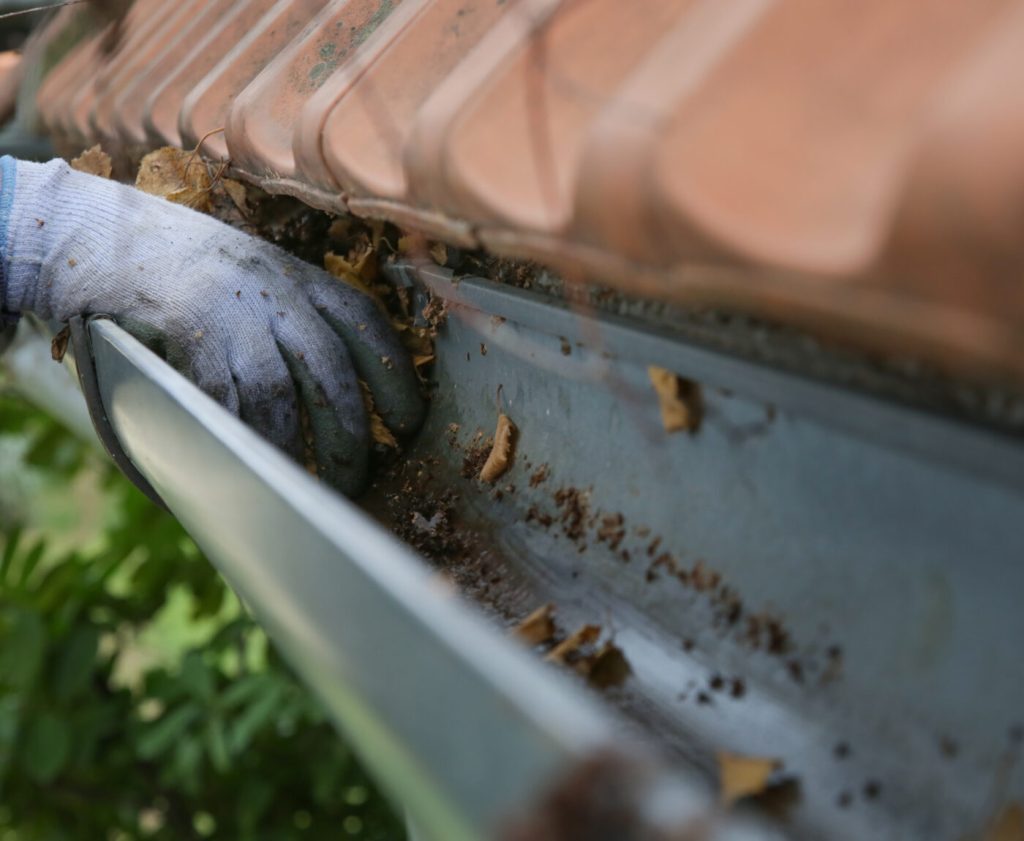
Single-storey properties with good access might be manageable for confident DIYers. You’ll need a sturdy ladder, work gloves, & patience. The actual cleaning involves removing debris by hand, flushing gutters with a hose, & checking downpipes for blockages.
Professional cleaning becomes worthwhile for higher properties, complex rooflines, or if you’re uncomfortable with heights. Professionals also spot developing problems that homeowners might miss.
The cost difference isn’t as significant as you might expect. Professional cleaning for an average semi-detached house runs £80-150, depending on location & complexity. When you factor in your time, equipment costs, & potential safety risks, professional cleaning often makes financial sense.
However, some maintenance tasks are perfectly suitable for DIY. Clearing leaves from easily accessible gutters or checking for obvious blockages doesn’t require professional expertise.
The decision often comes down to your comfort level & the specific challenges your property presents.
Common Mistakes People Make
The biggest mistake I see is waiting until gutters are obviously blocked before taking action. Preventive cleaning is always easier & more effective than dealing with established problems.
Another common error is focusing only on gutters while ignoring downpipes. A clear gutter with blocked downpipes will still cause overflow problems. Always check the entire drainage system.
Many people also underestimate the importance of gutter bracket maintenance. Cleaning debris is only part of the job – ensuring gutters are properly supported & aligned prevents future problems.
Seasonal timing mistakes are frequent too. Cleaning gutters too early in autumn means they’ll be full again within weeks. Too late, & you’re working in horrible weather conditions.
Some homeowners become overzealous & clean gutters too frequently, potentially causing wear to older systems. Unless you have exceptional circumstances, monthly cleaning is probably overkill.
Finally, many people ignore the connection between gutter maintenance & building insurance. Some policies have clauses about proper maintenance, & neglected gutters that cause damage might not be covered.
The Bottom Line
After years of dealing with guttering issues, I’ve come to believe that twice yearly cleaning works for most UK properties, but your specific situation might demand a different approach.
Pay attention to your surroundings. Heavy tree coverage, local weather patterns, & your property’s design all influence how often gutters need attention. Don’t just follow generic advice – observe what actually happens at your property.
The cost of regular maintenance is always less than dealing with water damage, structural repairs, or emergency callouts during storms. I’ve seen too many homeowners learn this lesson expensively.
Most importantly, if you’re not comfortable doing the work yourself, don’t take risks. Professional cleaning is an investment in both your property & your personal safety.