

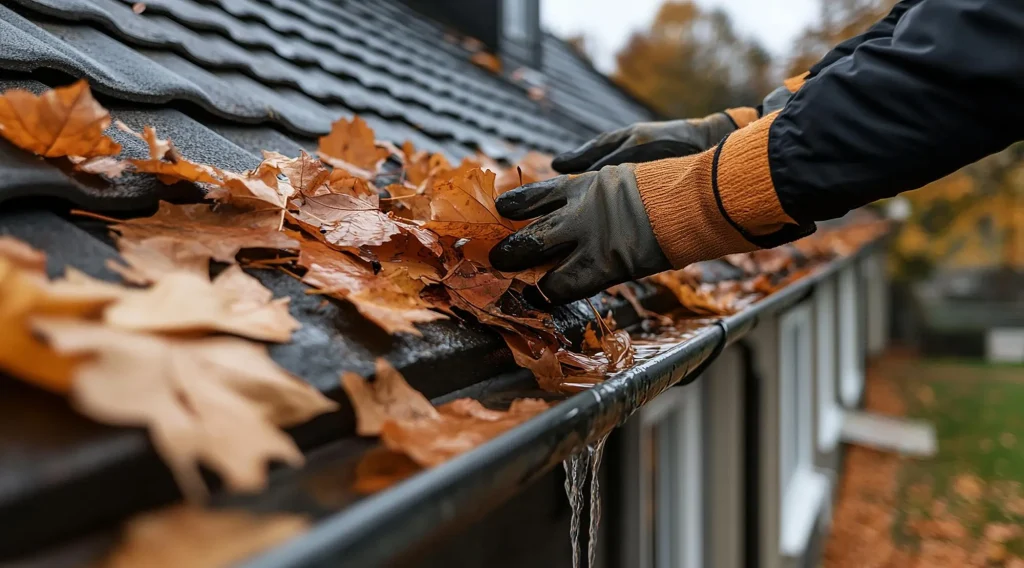
Most homeowners ignore their gutters until water starts cascading off their roof like Niagara Falls. Trust me, I’ve been there. You’re minding your own business when suddenly you notice that charming waterfall effect right outside your kitchen window during a storm. That’s when the penny drops – those gutters haven’t been touched in years.
But here’s what most people don’t realise: gutter maintenance isn’t just about avoiding that embarrassing waterfall moment. It’s about protecting your wallet from some seriously hefty repair bills down the line.
Foundation Problems Start Small Then Get Expensive
Your home’s foundation is like that friend who seems rock solid until one day they completely fall apart. Water damage to foundations doesn’t announce itself with fanfare – it creeps in quietly & methodically.
When gutters overflow, all that water has to go somewhere. And gravity being what it is, it pools around your foundation. Over months & years, this constant moisture creates problems that’ll make your bank account weep. Cracks appear. Settlement occurs. Before you know it, you’re looking at foundation repairs that can easily cost £10,000 to £25,000.
I’ve seen Victorian terraced houses with foundation issues that started with nothing more than blocked gutters. The water saturated the ground around the property, causing subsidence that required underpinning. One neighbour told me their repair bill hit £35,000. All because leaves & debris weren’t cleared twice a year.
Regular gutter cleaning costs around £80-150 annually for most homes.
You do the maths.
Roof Damage Happens Faster Than You Think
Blocked gutters don’t just affect what’s below – they wreak havoc on what’s above too. When water can’t flow away properly, it backs up under roof tiles, soaks into fascia boards & finds every tiny gap it can exploit.
Roof repairs are expensive. Really expensive. A typical roof renovation can cost anywhere from £5,000 to £15,000 depending on your property size & the extent of damage. But what really gets me is how preventable most of these issues are.
Water sitting in gutters during winter freezes & expands, putting pressure on joints & brackets. Come spring, you’ve got leaks. Those leaks let water into your roof space, rotting timber & damaging insulation. The domino effect is quite something to witness – in the worst possible way.
Fascia boards are particularly vulnerable. These wooden boards support your gutters, but constant moisture exposure turns them into expensive matchsticks. Replacing fascia boards typically costs £100-200 per linear metre, & that’s before you factor in any structural damage they were hiding.
Interior Water Damage Gets Costly Quick
Here’s where things get really painful for your finances. Water damage inside your home doesn’t just affect one room – it spreads like gossip at a village fete.
Overflowing gutters can cause damp patches on internal walls. Seems harmless enough, right? Wrong. That damp creates perfect conditions for mould growth, which brings its own set of problems & costs. Professional mould removal can cost £500-2,000 per room depending on severity.
But wait, there’s more. (I sound like a shopping channel presenter, don’t I?)
Electrical systems don’t play nicely with water. If moisture reaches wiring or electrical outlets, you’re looking at rewiring costs that can easily exceed £3,000-5,000 for an average home.
Flooring damage is another wallet-buster. Hardwood floors, carpets & laminate don’t recover from water damage – they need replacing. Depending on your home’s size & flooring choices, this can cost £2,000-8,000 or more.
Pest Problems Come With Hidden Costs
Stagnant water in blocked gutters becomes a five-star resort for mosquitoes & other insects. But that’s just the beginning of your pest-related expenses.
Damp conditions around your property attract termites, carpenter ants & other wood-destroying insects. These little destroyers don’t send warning letters – they just get on with eating your house from the inside out.
Termite treatment & damage repair can cost £2,000-10,000 or more. I know someone who faced a £15,000 bill after termites had a field day with their property’s wooden structure. The irony? It all started with gutters that hadn’t been cleaned in four years.
Rats & mice love accessing homes through damaged areas caused by water problems. Once you’ve got rodents, you’re looking at pest control costs (£200-500 initially, plus ongoing treatments) & potential damage to insulation, wiring & stored items.
Energy Bills Creep Up From Poor Drainage
This one catches people off guard because the connection isn’t obvious at first glance.
When water damage affects your home’s insulation – which happens more often than you’d think – your heating & cooling systems work overtime to maintain comfortable temperatures. Wet insulation loses its effectiveness dramatically, sometimes reducing thermal performance to nearly zero.
I’ve seen energy bills increase 20-30% in homes with water-damaged insulation. Over a year, that could mean an extra £300-600 on your energy costs. Replacing damaged insulation isn’t cheap either – expect to pay £300-800 per room depending on the insulation type & extent of damage.
Damp walls also reduce your home’s thermal efficiency.
Your boiler works harder, your electricity usage increases & your comfort decreases. It’s a lose-lose-lose situation that regular gutter maintenance easily prevents.
Property Value Takes a Hit
Here’s something estate agents won’t always tell you upfront: visible water damage & drainage problems significantly impact property values. Potential buyers spot these issues during viewings & factor repair costs into their offers.
Properties with obvious gutter problems, water staining or foundation issues can lose 5-15% of their market value. On a £300,000 home, that’s potentially £15,000-45,000 off your asking price. Makes that annual gutter cleaning fee look rather insignificant, doesn’t it?
Survey reports highlighting drainage problems give buyers serious negotiating power. Even if the actual repair costs are manageable, the percieved risk often leads to much larger price reductions than necessary.
Insurance companies are getting stricter about water damage claims too. If they determine that poor maintenance contributed to the damage, they might reduce payouts or refuse claims entirely. This leaves you covering repair costs that could have been insurance’s responsibility.
Professional Cleaning Costs vs DIY Disasters
Some people think gutter cleaning is a simple DIY job. And yes, it can be – if you have the right equipment, experience & a healthy relationship with heights.
But DIY gutter cleaning gone wrong creates expensive problems. Ladder accidents result in injury costs & property damage. I’ve heard of people accidentally damaging roof tiles, breaking gutter brackets or even putting their foot through a ceiling whilst attempting amateur gutter maintenance.
Professional gutter cleaning services typically charge £80-200 annually for most residential properties. They carry insurance, use proper equipment & spot potential problems before they become expensive repairs.
Some services include minor repairs in their standard pricing.
Many professional cleaners will also check for loose brackets, damaged downpipes & other issues during their visits. This early problem detection can save hundreds or thousands in major repairs.
The peace of mind factor shouldn’t be underestimated either. Knowing your gutters are properly maintained removes one major source of potential home maintenance stress.
The Bottom Line
After years of watching neighbours deal with expensive water damage that could have been prevented, I’m convinced that regular gutter cleaning is one of the smartest investments any homeowner can make.
The numbers speak for themselves. Annual cleaning costs of £80-200 versus potential repair bills reaching tens of thousands? That’s not really a decision – it’s a no-brainer.
But beyond the financial calculations, there’s something to be said for simply not having to worry about water cascading off your roof during storms. Your gutters work properly, water goes where it should & you sleep soundly knowing your home’s structural integrity isn’t being slowly eroded by preventable moisture problems.
Perhaps the real question isn’t whether you can afford regular gutter maintenance.
It’s whether you can afford to skip it.